Description
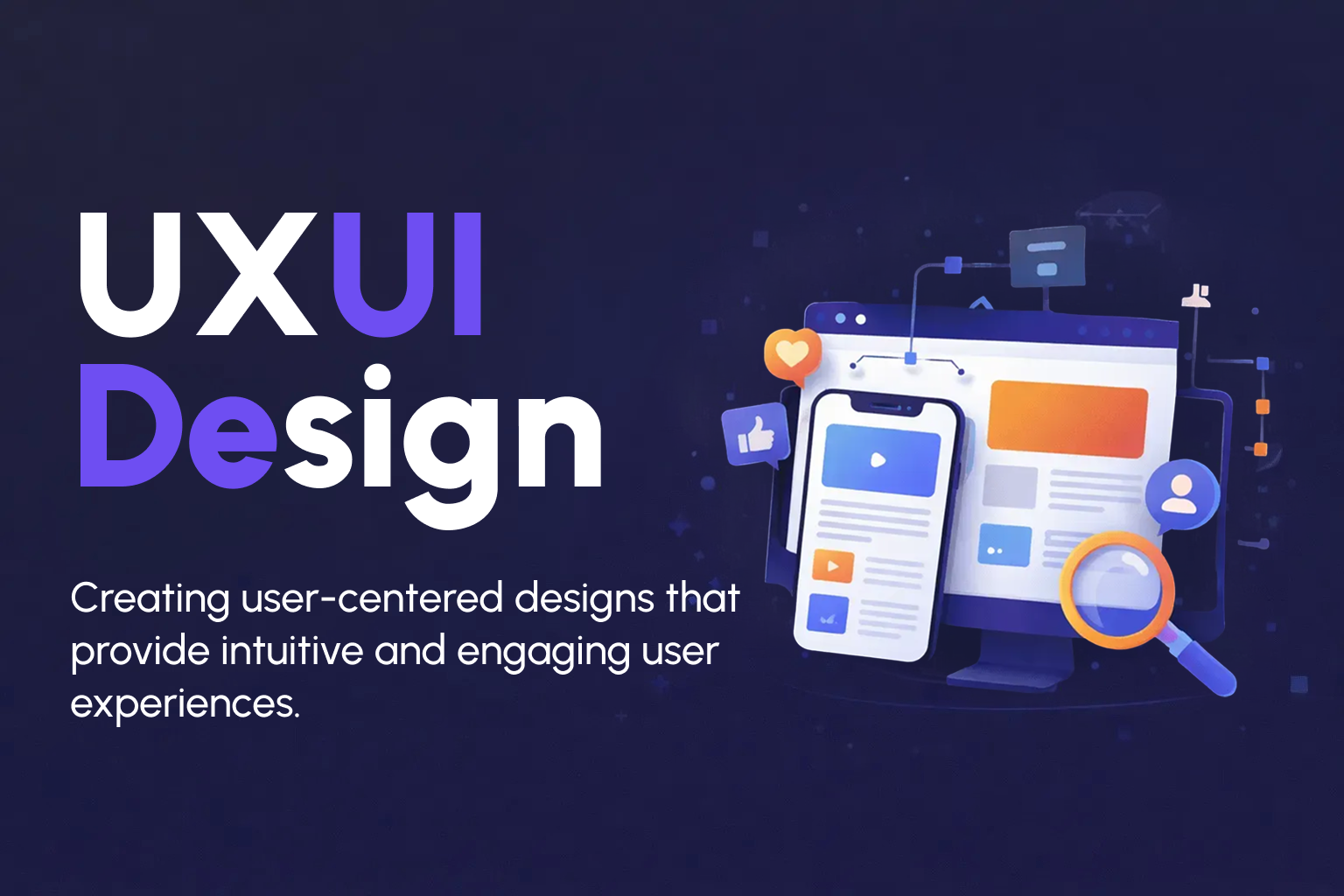
UI/UX Design focuses on creating user-centered digital experiences that are clear, accessible, and effective. This service involves designing intuitive interfaces and thoughtful user journeys that align user needs with product goals. The primary objective is to improve usability, clarity, and interaction quality—ensuring users can complete tasks efficiently and confidently across digital platforms.
The work emphasizes structured design thinking, accessibility, and consistency, resulting in experiences that are both visually refined and ready for real-world implementation.
Key Features
User-Centered Interface Design:
Designed clean, intuitive interfaces that prioritize usability, clarity, and ease of navigation, ensuring users can interact with products effortlessly.
Information Architecture & User Flows:
Structured content, navigation, and workflows to support logical user journeys and reduce cognitive load across complex systems.
Wireframing & Prototyping:
Created low- and high-fidelity wireframes and interactive prototypes to explore concepts, validate flows, and refine interactions before development.
Accessibility-Focused Design:
Applied accessibility principles such as contrast, readable typography, keyboard-friendly layouts, and inclusive interaction patterns aligned with WCAG guidelines.
Design System Alignment:
Ensured visual consistency through reusable components, spacing systems, and UI patterns that scale across products and teams.
Technologies Used
Design Tools: Figma for wireframing, prototyping, and high-fidelity UI design.
Design Systems: Component libraries, style guides, and visual standards for scalable design.
Collaboration: Design documentation, developer handoff, and iterative feedback workflows.
Design Highlights
Visual Clarity & Hierarchy:
Focused on layout, spacing, typography, and hierarchy to guide user attention and improve comprehension.
Usability-Driven Design Decisions:
Ensured interfaces are easy to understand and use, with clear labels, predictable interactions, and consistent patterns.
Responsive & Adaptive Design:
Designed interfaces that adapt seamlessly across screen sizes and devices, providing a consistent experience on desktop, tablet, and mobile.